
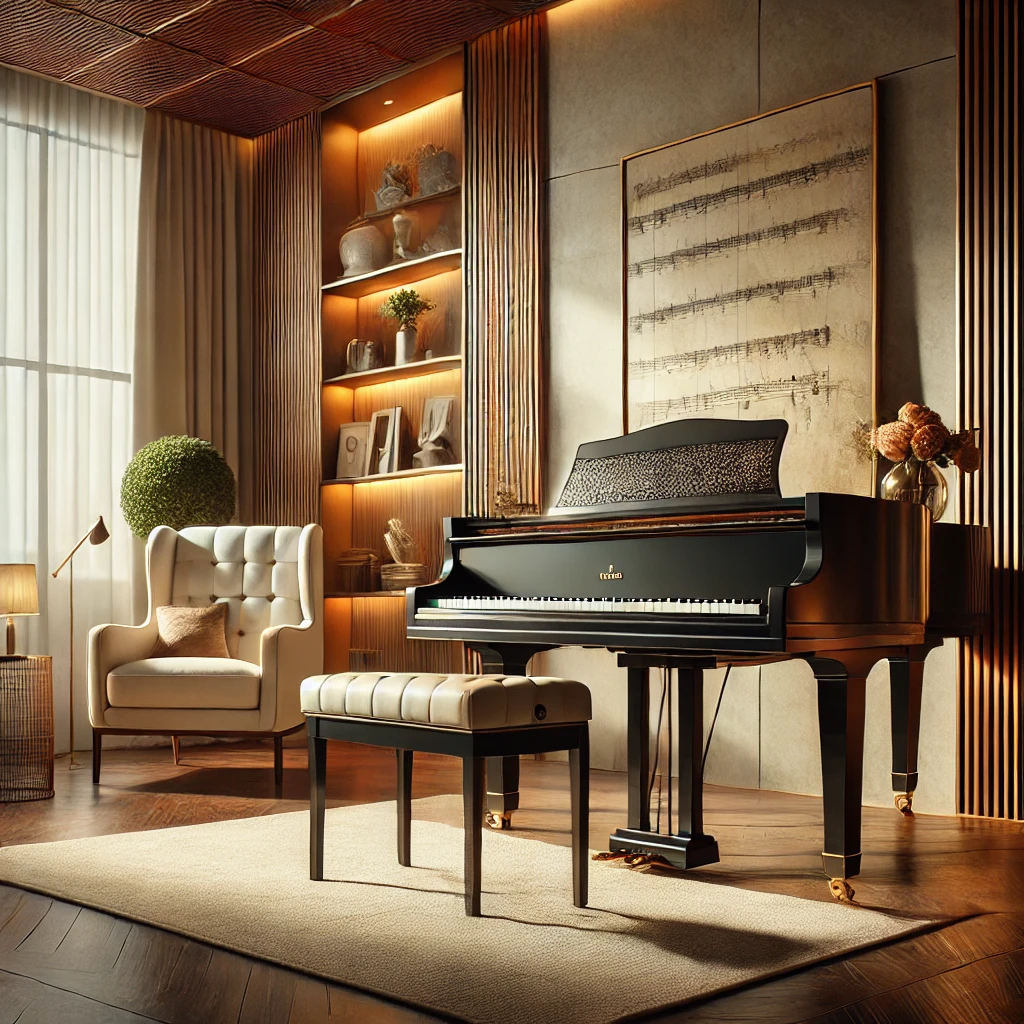
When it comes to finding the perfect piano, upright pianos are a timeless choice for pianists of all levels.
Compact, elegant, and capable of delivering beautiful sound, they fit seamlessly into homes, studios, and performance spaces alike.
With 2026 bringing fresh innovations and designs, I’ve compiled a list of the best upright pianos to suit every need and style.
Whether you’re a beginner, professional, or hobbyist, this guide will help you choose the right upright piano to match your aspirations.
Our Top Picks of The Best Upright Pianos in 2026
No products found.
Benefits of an Upright Piano
Understanding Upright Pianos: A Brief Overview
Upright pianos, often referred to as vertical pianos, are known for their space-saving design and rich sound. Unlike grand pianos, their strings and soundboard are positioned vertically, making them more compact. This doesn’t mean compromising on sound quality—upright pianos are capable of delivering exceptional tones when crafted with care.
Best Upright Pianos for Every Pianist
1. Bechstein Pianos: The Epitome of Craftsmanship
Bechstein has long been a name synonymous with excellence. Crafted in Germany, Bechstein pianos combine traditional craftsmanship with modern technology to produce instruments with an unparalleled tonal depth.
Pros:
- Exceptional build quality
- Warm, resonant sound
- Wide dynamic range
Cons:
- Premium price point
- Requires regular tuning for optimal performance
2. Blüthner Pianos: A Legacy of Elegance
Blüthner pianos are known for their unique tonal character and impeccable aesthetics. These pianos have been a favorite among classical pianists for over a century.
Pros:
- Distinctive warm tone
- Elegant design
- Long-lasting durability
Cons:
- Expensive
- Limited availability in some regions
3. Bösendorfer Pianos: The Luxury Choice
For those seeking a piano that’s as much a statement piece as an instrument, Bösendorfer is unmatched. These pianos are handcrafted in Austria with exceptional attention to detail.
Pros:
- Luxurious sound and appearance
- Customization options
- Exceptional sustain
Cons:
- Extremely high cost
- Heavier than most upright pianos
4. AUGUST FORSTER Pianos: The German Precision
AUGUST FORSTER is celebrated for its meticulous craftsmanship and precision engineering. These pianos are perfect for those who value consistency and reliability.
Pros:
- Superior craftsmanship
- Balanced tone
- Suitable for professionals
Cons:
- Higher cost of ownership
- Limited tonal customization
5. Grotrian Pianos: A Blend of Tradition and Innovation
Grotrian combines traditional German craftsmanship with innovative features. Their pianos offer a distinctive, clear tone that’s beloved by many.
Pros:
- Crystal-clear tone
- Robust construction
- Ideal for classical music
Cons:
- Pricey for beginners
- May require professional setup
6. Sauter Pianos: The Sustainable Option
Sauter pianos are renowned for their commitment to sustainability without compromising sound quality. These pianos offer a unique blend of traditional techniques and eco-conscious practices.
Pros:
- Eco-friendly materials
- Rich, expressive tone
- Unique designs
Cons:
- Availability may be limited
- Higher initial cost
7. Schimmel Pianos: The Versatile Performer
Schimmel pianos are known for their versatility and innovative designs. Their tone is clear and powerful, making them suitable for a wide range of genres.
Pros:
- Wide tonal range
- Durable and reliable
- Great for diverse musical styles
Cons:
- Slightly heavier touch
- Mid-to-high price range
8. Steinway & Sons Pianos: The Iconic Standard
Steinway needs no introduction. Known worldwide for their grand pianos, their upright models offer the same exceptional quality in a compact form.
Pros:
- Iconic brand
- Superior craftsmanship
- Timeless sound
Cons:
- Very expensive
- Requires significant maintenance
9. Steingraeber & Söhne Pianos: The Artisan’s Choice
Handcrafted in Germany, Steingraeber pianos are for those who appreciate artisanal quality. Each piano is a work of art.
Pros:
- Unmatched build quality
- Unique, expressive tone
- Highly customizable
Cons:
- Extremely limited production
- High price tag
10. YAMAHA Pianos: The Reliable Workhorse
YAMAHA upright pianos are a staple in music schools and homes around the world. They offer excellent reliability and consistent performance.
Pros:
- Affordable options
- Durable and reliable
- Suitable for all skill levels
Cons:
- Less expressive tone compared to premium brands
- Standard design
11. Kawai Pianos: The Innovative Contender
Kawai is known for innovation, utilizing advanced materials and technology in their piano designs. Their upright pianos are excellent for modern pianists.
Pros:
- Advanced materials like ABS-Carbon
- Clear and bright sound
- Wide range of models
Cons:
- Slightly bright tone might not suit all genres
- Higher-end models can be costly
12. Roland Pianos: The Digital Revolution
Roland’s digital upright pianos combine the look of a traditional piano with the versatility of modern technology.
Pros:
- Wide range of sounds
- Maintenance-free
- Built-in learning tools
Cons:
- Lacks the feel of acoustic pianos
- Depreciates faster than acoustic models
Choosing the Right Upright Piano for Your Needs
When selecting an upright piano, consider your skill level, budget, and the space available. Beginners might lean towards reliable and affordable brands like YAMAHA or Kawai, while professionals might prefer the nuanced tones of Bechstein or Steinway. For digital enthusiasts, Roland offers a modern alternative.
Maintenance Tips for Your Upright Piano
Proper maintenance is key to preserving the life and sound quality of your piano. Regular tuning, proper humidity control, and cleaning are essential. Use a piano cover to protect it from dust, and avoid placing it near heat sources.
The Future of Upright Pianos: Trends and Innovations
The future of upright pianos lies in blending tradition with technology. Digital hybrids like those from Roland are paving the way for more accessible and versatile instruments. Sustainable materials and advanced sound engineering will continue to shape the market, ensuring that upright pianos remain a beloved choice for generations to come.
Conclusion
Finding the perfect upright piano in 2026 means understanding your unique needs and preferences. With options ranging from artisanal masterpieces to reliable workhorses, there’s something for everyone. Whether you’re drawn to the craftsmanship of Bechstein, the versatility of Schimmel, or the modern innovations of Roland, the right piano is out there waiting for you.
FAQ
What is the best brand for upright pianos?
The best brand depends on your needs. Bechstein and Steinway are ideal for professionals, while YAMAHA and Kawai offer great options for beginners and hobbyists.
What is the highest quality piano?
High-quality brands include Steinway, Bechstein, and Bösendorfer. These pianos are known for their craftsmanship, tonal depth, and longevity.
Are taller upright pianos better?
Taller upright pianos often have longer strings and larger soundboards, resulting in richer sound. However, the quality of construction also plays a significant role.
Is it worth buying an old upright piano?
It can be, but ensure it’s in good condition. A professional inspection is recommended to check for structural integrity and sound quality.
What is the life expectancy of an upright piano?
With proper care, upright pianos can last 40-60 years or more.
How much should you spend on an upright piano?
Entry-level pianos start around $3,000, while high-end models can exceed $40,000.
Which pianos hold their value?
Brands like Steinway, Bechstein, and Bösendorfer tend to retain their value well.
What are the cons of an upright piano?
They’re less portable and have a smaller dynamic range compared to grand pianos.
How do you know if a piano is good quality?
Look for consistent tone, solid construction, and a reputable brand.
What are good old piano brands?
Steinway, Baldwin, and Mason & Hamlin are respected vintage brands.
Is it okay to buy a 40-year-old piano?
Yes, if it’s been well-maintained. Have it inspected by a professional.
Is Baldwin a good piano brand?
Yes, Baldwin pianos are known for their durability and quality.
How many years does a digital piano last?
Digital pianos typically last 10-20 years, depending on usage and care.
Are upright pianos harder to play?
Not necessarily. They require less physical effort than grand pianos, making them suitable for beginners.
Is upright or digital piano better?
It depends on your needs. Uprights offer traditional sound and feel, while digitals provide versatility and low maintenance.
How much does it cost to restore an old upright piano?
Restoration costs vary but typically range from $2,000 to $10,000 depending on the condition and extent of work needed.